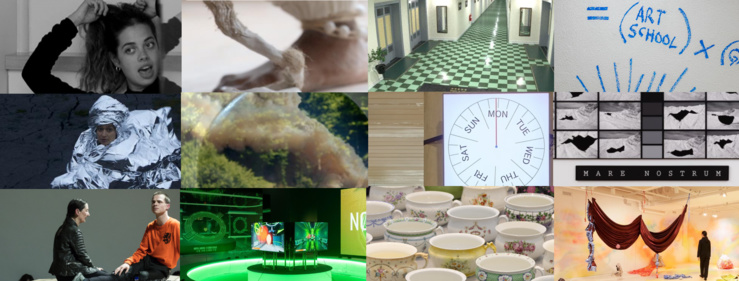
Qui sont les lauréats des Frieze Artist Awards ?
Depuis 2014, le Frieze Artist Award, lancé pour promouvoir des artistes émergents ou en milieu de carrière, offre à chaque lauréat la possibilité de concevoir une œuvre originale in situ et ambitieuse, présentée pendant la foire.
Un panorama qui découvre des trajectoires diverses sur les plans géographiques, médiatiques, et conceptuels qui témoignent de l’éclectisme d’un prix qui reflète les préoccupations contemporaines : mémoire, data, identité, techno-futur, écologie, société. Depuis 2023, le prix se décline avec une édition liée à sa foire coréenne. Nous vous offrons un panorama des lauréats de ces deux récompenses.
FRIEZE LONDON ARTIST AWARD
Mélanie Matranga (1985, France) — 2014
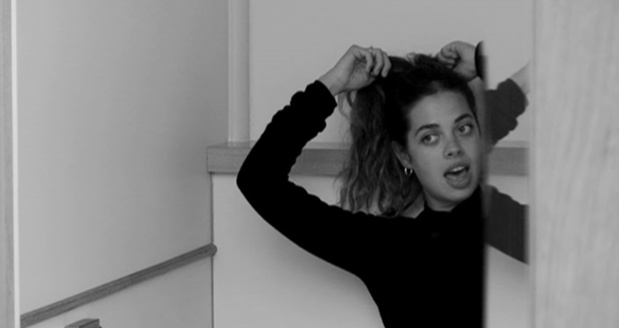
Mélanie Matranga a été la première artiste distinguée par le Frieze Artist Award. Son projet mêlait vidéos en ligne et la création d’un café-installation pendant la foire : elle y relatait, dans une fiction filmée, la construction simultanée d’un lieu et d’une relation amoureuse. Cette œuvre interrogeait les dynamiques d’échange émotionnelles, monétaires, relationnelles qui sous-tendent le monde de l’art et les vies qui s’y jouent, contribuant à en dramatiser une intensité dont son œuvre, derrière un minimalisme apparent, continue de se faire le reflet.
Rachel Rose (1986, États-Unis) — 2015
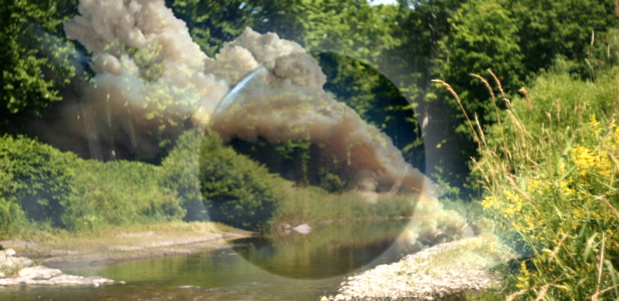
Pour Frieze London 2015, Rachel Rose a conçu un modèle réduit de la structure de la foire dans lequel les visiteurs pouvaient pénétrer : en son sein, un dispositif sonore et visuel simulait les fréquences sensorielles d’animaux vivant dans le parc environnant. Par cette installation immersive, l’artiste invitait à repenser la relation humain / non-humain, conscience, perception, environnement. L’œuvre a posé Rachel Rose comme une figure de l’art vidéo et installation, confirmant la force du prix pour amplifier des pratiques immersives et sensibles.
Yuri Pattison (1986, Irlande) — 2016

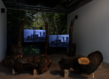
Yuri Pattison a reçu le prix 2016 pour une œuvre tournant autour de la data : son installation, constituée d’un réseau de moniteurs disséminés à travers la foire, captait en temps réel des « tendances » telles que le comportement des visiteurs, les données d’interaction pour les représenter visuellement. Centré sur les flux d’information, la surveillance, la valeur des données, et la manière dont nos interactions sont médiatisées, automatiquement interprétées son travail s’inscrit dans une tentative de connexion de la création plastique avec la circulation immatérielle de l’information. Son installation réalisée pour l’occasion mettait en lumière l’ossature invisible de la société contemporaine.
Kiluanji Kia Henda (1979, Angola) — 2017
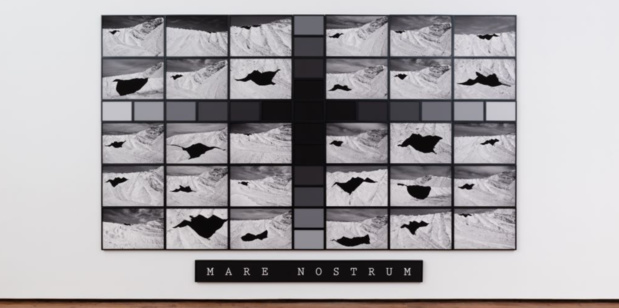
Kiluanji Kia Henda remporte le prix en 2017 avec un projet intitulé Under the Silent Eye of Lenin. À travers une installation-performance, il revisite le culte marxiste-léniniste post-indépendance en Angola, en le mêlant à des récits de sorcellerie et à des codes de science-fiction. L’œuvre interroge la mémoire postcoloniale, le pouvoir des idéologies, les mécanismes de croyance et de manipulation, transformant l’histoire politique en expérience sensorielle et critique.
Alex Baczynski-Jenkins (1987, Royaume-Uni) — 2018
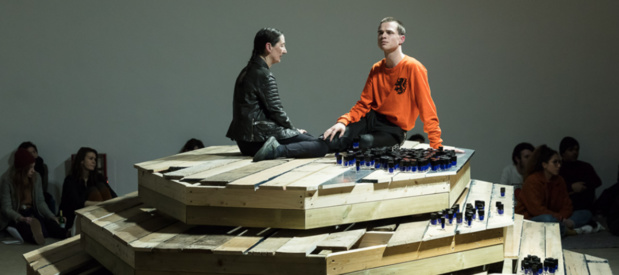
En 2018, le prix s’oriente pour la première fois vers le champ de la performance chorégraphiée : Alex Baczynski-Jenkins, vivant entre Londres et Varsovie, a été choisi pour créer une œuvre chorégraphique. Son travail explore la sensualité, l’intimité, le désir, l’amitié, à travers une esthétique queer qui interroge les relations, les corps, l’identité, la mémoire. Une dimension vivante qui impose une vision performative et politique marquante dans le contexte de la foire.
Himali Singh Soin (1987, Inde) — 2019
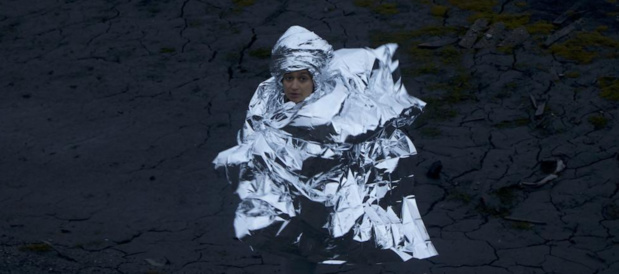
Himali Singh Soin, développe des récits spéculatifs où nature, mythe et politique se croisent. Son projet filmique pour Frieze we are opposite like that invente des cosmologies pour les pôles, en donnant voix à la glace comme témoin des peurs et fantasmes coloniaux. En reliant climat, histoire et altérité, elle transforme l’imaginaire glaciaire en outil de décolonisation et de projection vers d’autres futurs.
Alberta Whittle (1980, La Barbade) — 2020
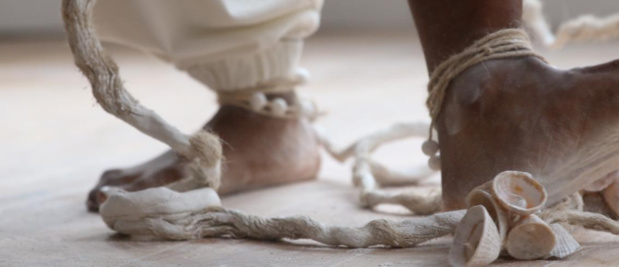
Alberta Whittle, lauréate du Frieze Artist Award 2020, développe une pratique engagée mêlant film, performance et installation pour explorer colonialisme, vulnérabilité et soin collectif. Son œuvre primée, nourrie de collaborations, relie imaginaires gothiques, peurs de contagion et violences raciales pour proposer des récits de guérison et d’espoir dans un monde traversé par crises et injustices.
Sung Tieu (1987, Vietnam) — 2021
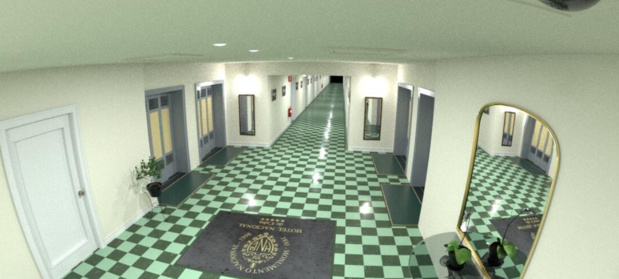
Sung Tieu explore les dimensions psychologiques de la guerre, les armes sonores et les héritages du froid. Son film Moving Target Shadow Detection réqlisé à l’occasion de sa nomination au Frieze Award reconstitue le lieu associé au « Havana Syndrome » pour sonder peurs, pouvoir opaque et vulnérabilité. Basée à Berlin, elle développe une œuvre où géopolitique, architecture et perception s’entrelacent.
Abbas Zahedi (1984, Royaume-Uni) — 2022

Abbas Zahedi, crée des dispositifs mêlant architecture, son et participation. Par une approche durable et collaborative, Zahedi explore seuils, réseaux et formes de soutien collectif, à l’image de son installation pour la foire, Waiting With (Sonic Support), inspirée des abris modernistes, devient un espace d’attente et d’écoute où performances et émissions radio se répondent.
Adham Faramawy (1981, Égypte) — 2023

Lauréat du Frieze London Artist Award 2023, Adham Faramawy propose une œuvre multimédia qui retrace l’histoire de la Tamise, ses liens avec l’économie coloniale et la mémoire des migrations en l’articulant à une dimension écologique ; And these deceitful waters. Par des vidéos, sculptures et performances, il offre une réflexion sur l’identité dans un contexte post-colonial en lui offrant un récit critique riche de l’histoire et de l’environnement.
Lawrence Lek (1980, Chine / Malaisie) — 2024

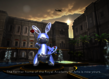
Artiste, cinéaste, créateur d’univers immersifs mêlant vidéo-jeu, installation, musique électronique et narration, Lawrence Lek développe une esthétique sinofuturiste. Son projet pour Frieze London mettait en jeu les relations homme-machine, l’intelligence artificielle, la mémoire et l’identité dans un contexte technologique futuriste. Tourné vers une science-fiction aux enjeux sociétaux, sa réflexion met en jeu une multitude de médiums dans des installations immersives qui lui valent une reconnaissance dépassant le monde de l’art dans le domaine de l’intelligence artificielle.
Sophia Al-Maria (1983, États-Unis, Qatar) — 2025
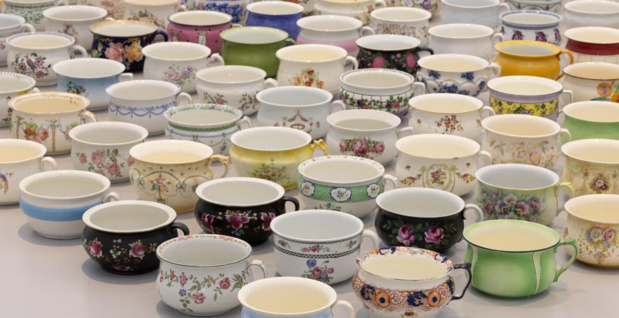
En 2025, le prix a été attribué à Sophia Al-Maria. Son projet, intitulé Wall Based Work (a Trompe LOL), marque sa première incursion dans le stand-up avec la création d’un mélange de performance, satire, poésie, critique sociale abordant identité, trauma collectif, pouvoir et absurdité des codes sociaux. Avec cette forme narrative hybride, faite d’humour et de critique sociale, l’artiste réactive des détournements de postures qui œuvraient à repenser la pratique même de l’exposition.
FRIEZE SEOUL ARTIST AWARD
Hannah Woo (1988, Corée du Sud) — 2023
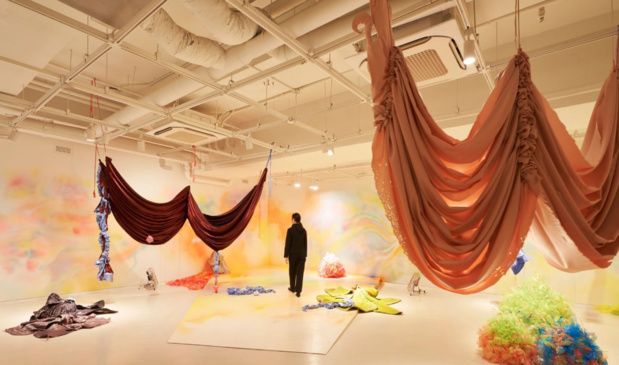
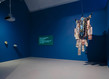
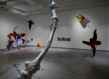
La première édition du Frieze Seoul Artist Award (2023) a couronné Woo Hannah. Son installation The Great Ballroom consistait en une suspension monumentale en tissus, poursuivant sa série « Milk and Honey », et explorait des thèmes liés au corps, au genre, à la transformation. Ses formes organiques et féminines, sensibles, évoquent le corps, la mémoire corporelle, le devenir, le rapport à la matière et à l’espace, unissant la sensibilité à la pratique sculpturale.
Choi Goen (1985, Corée du Sud) — 2024

Choi Goen a remporté l’édition 2024 du Frieze Seoul Artist Award. Pour l’occasion, elle a conçu deux sculptures de grande échelle : White Home Wall: Welcome et Gloria à partir de matériaux industriels récupérés (conduits, tuyaux, unités de climatisation, etc.). Par ses gestes de transformation, elle met en lumière l’ossature invisible qui soutient nos environnements urbains et numériques. Son travail questionne le rapport entre technologie, matérialité et urbanisme.
Im Youngzoo (1982, Corée du Sud) — 2025
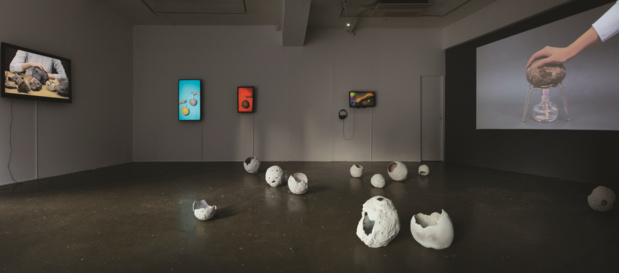
L’artiste a été désignée lauréate du Frieze Seoul Artist Award 2025 pour sa vidéo-installation Calming Signal, une œuvre en trois canaux qui explore les comportements collectifs, les signaux de stress, les rituels d’apaisement — inspirée du concept de « calming signals » issu de l’étude du comportement animal. Par cette mise en perspective presque éthologique, l’artiste sonde nos comportements et donne à voir l’influence physiologique de la présence de l’autre sur l’éco-système mental de chacun.