Salon de Montrouge 2026
Alexandre Nitzsche Cysne:
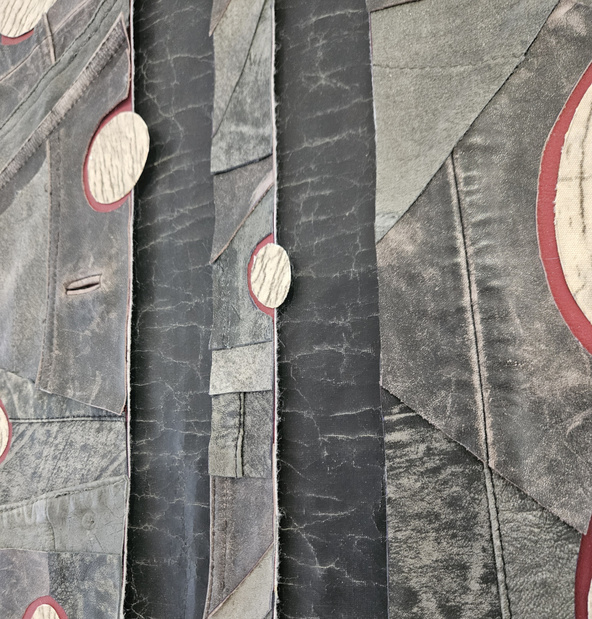
A pleasure in material that unfolds happily and follows its capacity to form a singular shape, breaking with the seriality it seems to announce, through a sensitivity it gradually reveals.
Clémence Gbonon:
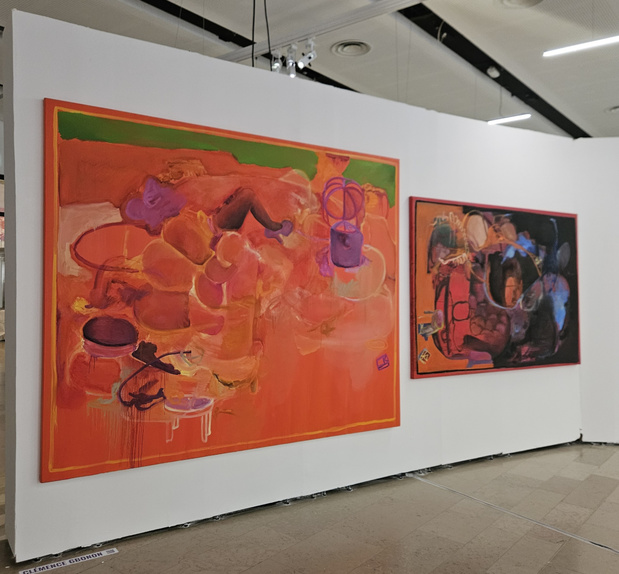
Clémence Gbonon continues a remarkable plastic practice, already widely noted, by focusing on a more visceral dimension than expected and by presenting a subtle evolution that is more experimental than confined to seduction.
Joséphine Topolanski:
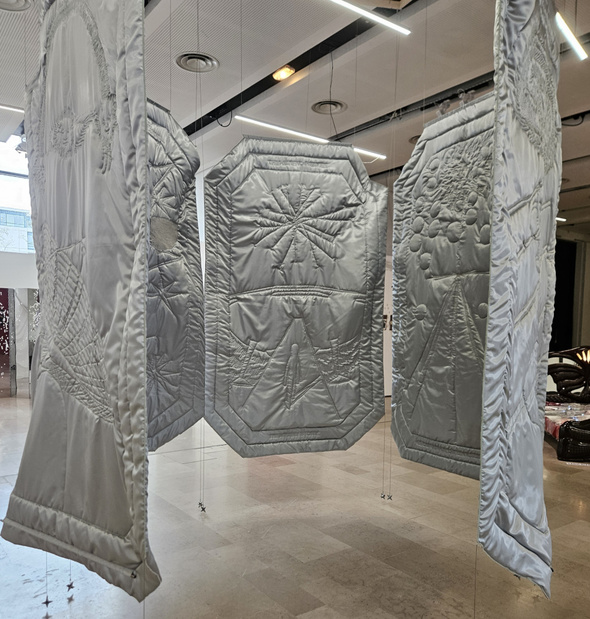
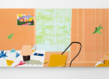
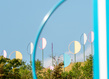
Welcoming or exfiltrating, Joséphine Topolanski’s installation casts us into uncertainty, playing with contrasts between warm material and icy hues, between the familiarity of its motifs and their strangeness, bordering on a ritual that excludes us.
Oscar Lefebvre:
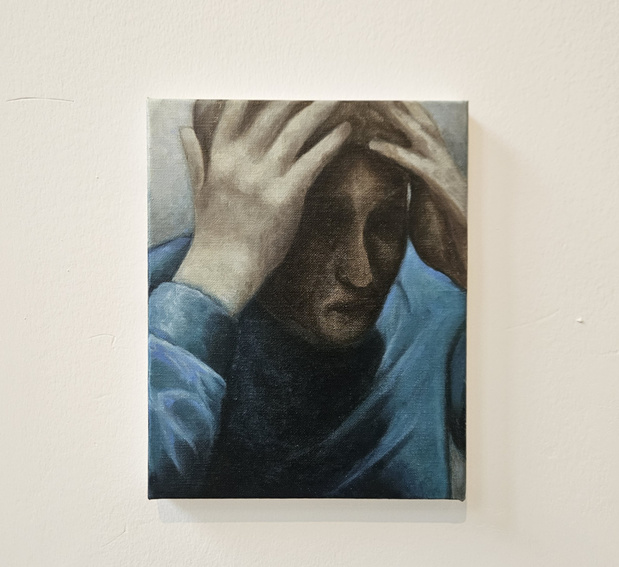
Through a single painting, a simple hidden gaze, Oscar Lefebvre resonates with art history, the grand tradition of painting, while confronting the most burning present, that of the torments of a youth that fades as much as it attempts to be seen, erased in its confrontation with the other.
Ladji Diaby:
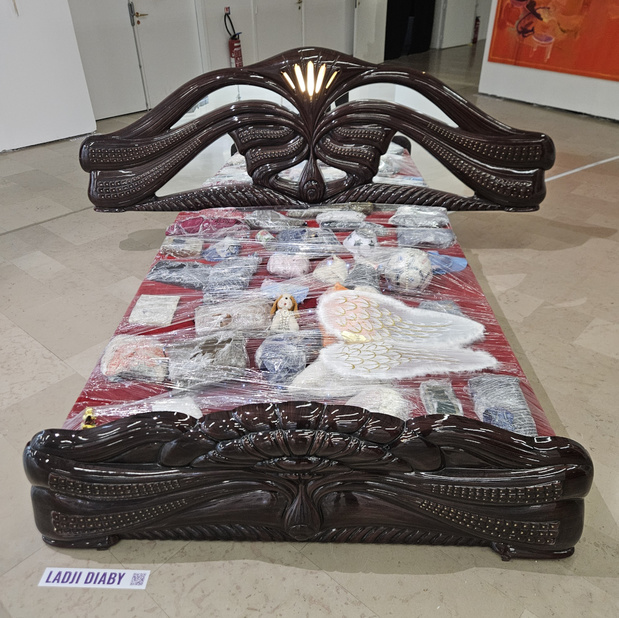
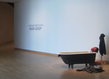
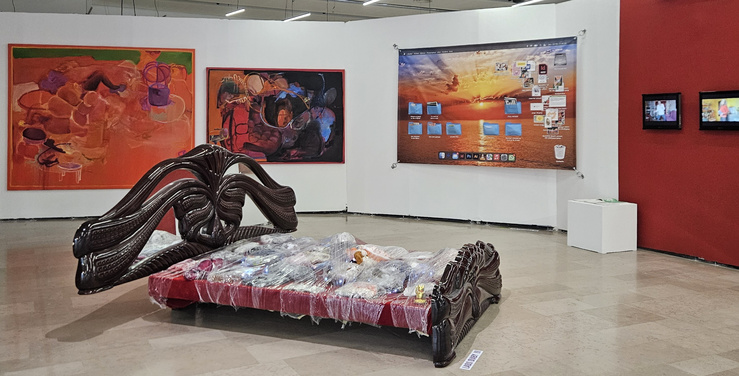
Ladji Diaby presents a striking installation that imagines a “tuning” bed, embracing popular culture, childhood fantasy, sociology, and the aesthetic avant-garde, now an unwieldy and massive islet where the ultimate symbol of intimacy becomes a display of representations that no one can even touch anymore.
Célia Boulesteix:
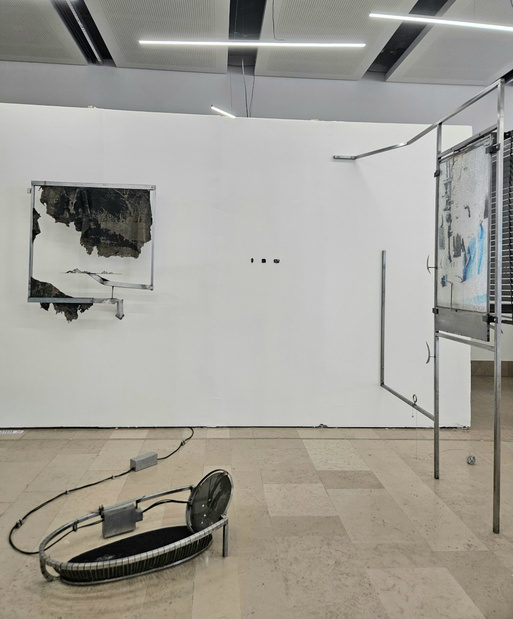
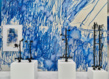
A plastic force through emptiness that intelligently uses material to twist the straightness of the walls and sharpen the remnants of an industrial cemetery, envisioning a post-apocalyptic nursery.
Brice Robert:
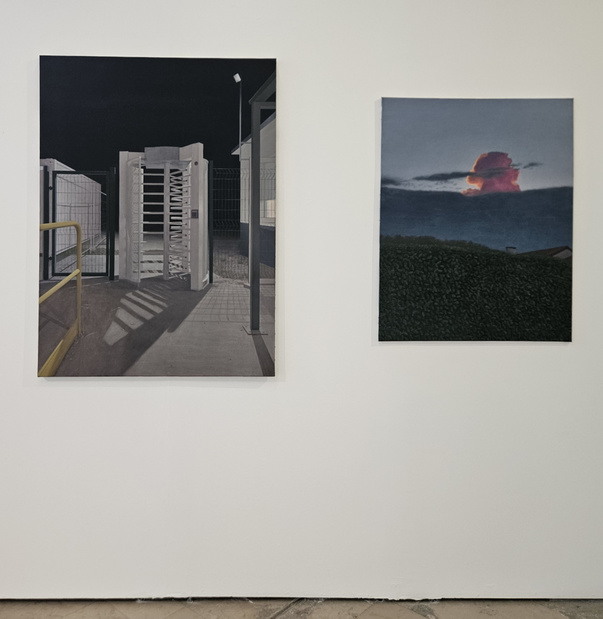
A strange sentimental counterpoint to hyperrealism that, through truncated details and manifest errors, perhaps abandoned to emptiness, subverts attention by letting the strange seep into an everyday life that is more magical than magnified.
Thomas Moësl:
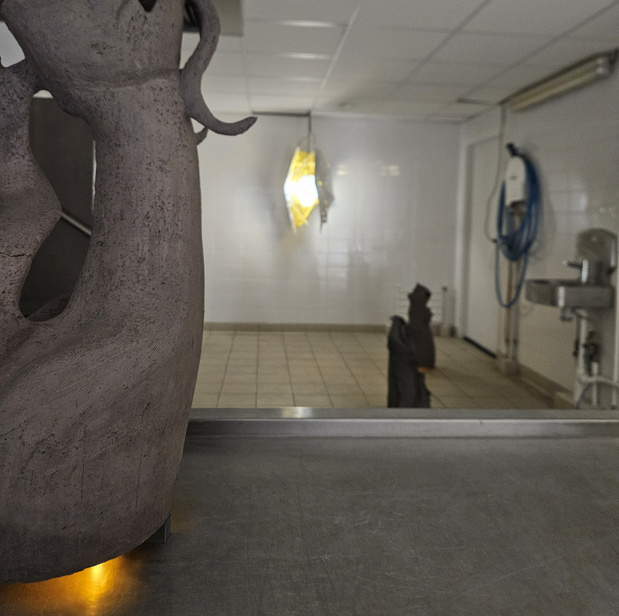
A generalized bizarreness and unease, whose ambition and meticulousness of total production, a sound and light spectacle in the deserted kitchen of the space, lead to a pleasurable morbidity and a delicious sense of dread.
Caroline Mauxion:
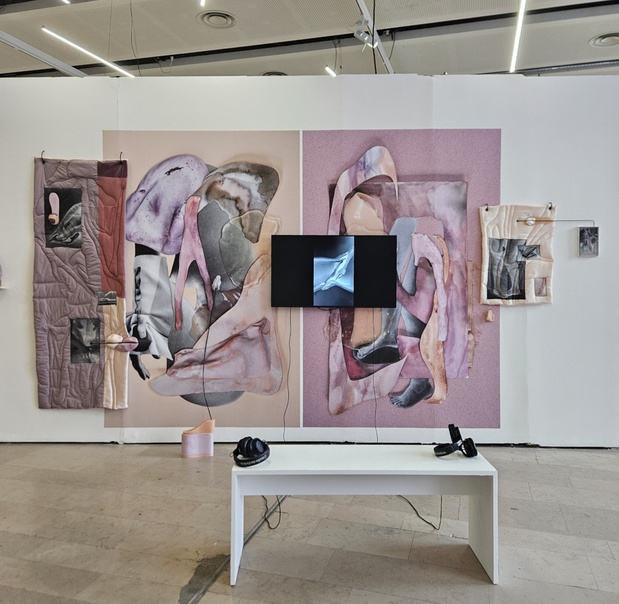
Undeniably effective and magnetic, Caroline Mauxion’s work nonetheless conceals a complex fragility that, rather than warding off nonconformity, materially integrates it into a logic of reconstruction that assimilates alternatives and digests otherness.
Dayane Obadia:
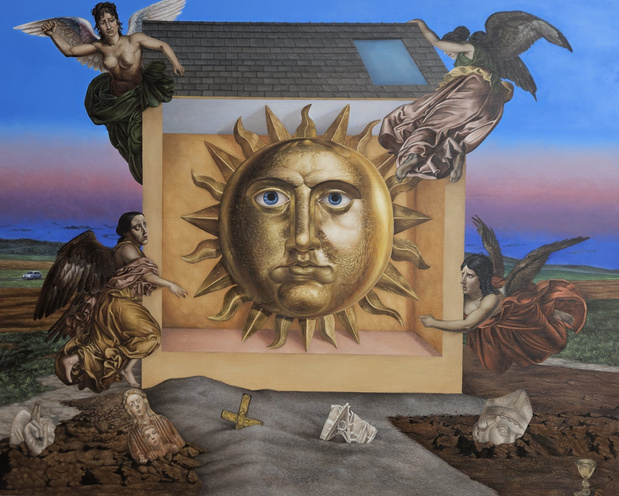
Dayane Obadia embraces and masters excess, repainting through an abundance of suburban dreams and urban fantasies a mythology bloated with its own self-sufficiency and heavy with exiled symbolism. Across eras as well as orders, divine, fantastical, naïve, grotesque, historical, images collide before the bulging eyes of bodies deaf to the reality of a world they inhabit as powerless angels. A crash that is powerfully metaphorical, displacing the violence of impact into the smallest of its gestures.
Zoé Bernardi:
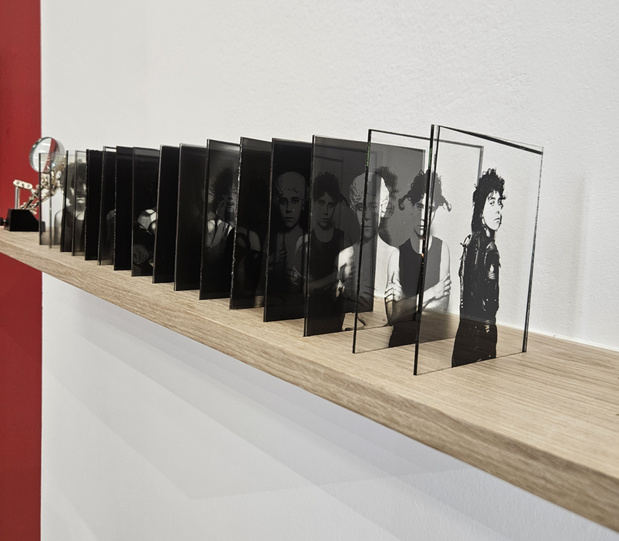
Zoé Bernardi explores self-documentation as a primary material for an alternative sociology, creating at the scale of local staging the performance of a global reality whose inventiveness offers a disturbing, blurred, and deeply truthful perspective on the surrounding world.